
Social Engineering Assessments Reveal Cybersecurity Threats Technology Can Miss
Organizations invest significant resources into firewalls, endpoint protection, network monitoring, and other cybersecurity tools. While these technologies play an important role in protecting systems and data, they cannot prevent every type of attack. Many cybersecurity incidents begin not with a technical vulnerability, but with a human interaction.
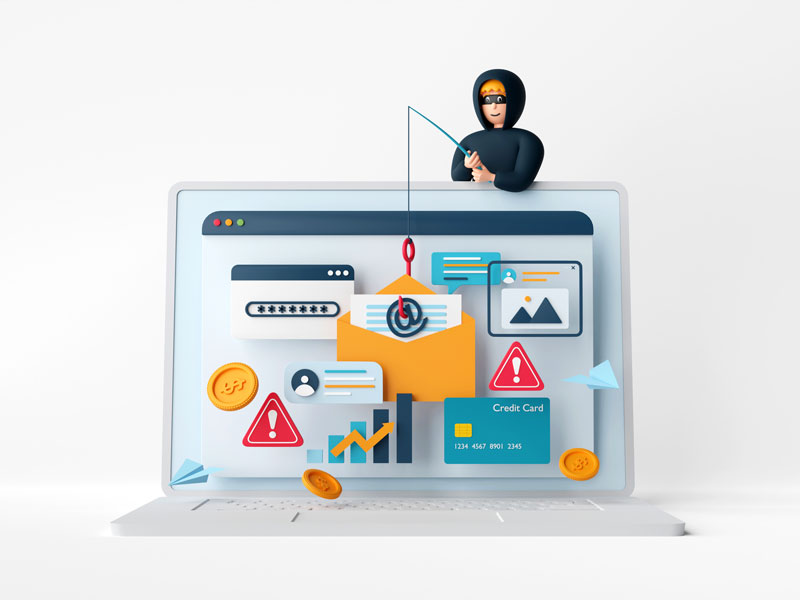
Social engineering attacks target people rather than systems. Attackers use deception, urgency, and trust to convince employees to reveal information, provide access, or take actions that bypass security controls. Because these attacks focus on human behavior, they can be difficult to detect through technology alone.
Social engineering assessments help organizations understand how employees and processes respond to realistic attack scenarios. By identifying weaknesses before attackers do, organizations can strengthen their defenses and reduce exposure to cybersecurity threats.
The CISA Group helps organizations evaluate their readiness against cybersecurity threats through social engineering assessments and cybersecurity consulting services. If you want to better understand how your employees and processes respond to real-world attacks, contact us through our form or call (763) 438-1744 to learn more.
Why Social Engineering Remains Effective
Cybercriminals understand that people are often the easiest path into an organization. Instead of spending time trying to break through technical defenses, attackers may simply persuade someone to provide the information they need.
Common social engineering attacks include phishing emails, fraudulent phone calls, impersonation attempts, and other tactics designed to create a sense of urgency or trust. Even well-trained employees can occasionally make mistakes, especially when attackers carefully craft their approach.
As cyber security threats continue to evolve, organizations must evaluate not only their technology but also how their people respond to potential attacks.
Technology Cannot Identify Every Risk
Many cybersecurity tools are designed to detect malicious software, unauthorized access attempts, or suspicious network activity. However, these tools often have limited visibility into human decision-making.
For example, a phishing email may successfully convince an employee to share sensitive information before any technical security control has an opportunity to intervene. Likewise, an attacker impersonating a trusted vendor or executive may bypass established procedures through persuasion rather than technical exploitation.
Social engineering assessments help uncover these types of vulnerabilities and provide organizations with a clearer understanding of where additional training or process improvements may be needed.
What Social Engineering Assessments Measure
A social engineering assessment evaluates how users and processes respond to controlled attack scenarios. The goal isn’t to assign blame but to identify opportunities for improvement.
Assessments may evaluate:
- User responses to phishing campaigns
- Adherence to verification procedures
- Handling of sensitive information requests
- Reporting of suspicious activity
The results provide valuable insight into how effectively security awareness efforts are working and where additional support may be beneficial.
Improving Security Awareness & Processes
One of the greatest benefits of a social engineering assessment is the opportunity to improve. Organizations gain real-world data on employee behavior and can use it to strengthen security awareness programs.
In many cases, assessments also reveal process weaknesses that could be addressed through updated procedures, additional verification requirements, or clearer communication practices.
When organizations combine strong cybersecurity controls with informed employees and effective processes, they’re better prepared to respond to evolving cybersecurity threats.
Build a Stronger Cybersecurity Culture
Cybersecurity is a people challenge almost as much as it’s a technology challenge. Organizations that recognize this are often more successful at reducing risk and preventing incidents.
Social engineering assessments help organizations understand how human behavior affects security and provide practical recommendations for improvement. By identifying weaknesses before attackers do, organizations can strengthen both awareness and resilience.
The CISA Group works with organizations to assess their readiness against cybersecurity threats through practical, ethical social engineering assessments. Our goal is to help clients build stronger security cultures and make informed decisions that support long-term cybersecurity success. Contact The CISA Group through our form or call (763) 438-1744 to start strengthening your security posture.

