
Firewall Security Is Only One Layer of a Strong Cybersecurity Strategy
Firewalls have long been one of the most recognized cybersecurity tools, and for good reason. They help control network traffic, block unauthorized connections, and provide an important first line of defense against external threats.
However, firewall security alone can’t protect an organization from every cybersecurity risk. Today’s attacks often target users, applications, cloud services, and misconfigured systems that extend well beyond what a firewall was designed to manage.
The CISA Group helps organizations strengthen their cybersecurity through network assessments, compliance consulting, and cybersecurity risk assessments. If you want to better understand how firewall security fits into your overall security strategy, contact us through our form or call (763) 438-1744 to learn more.
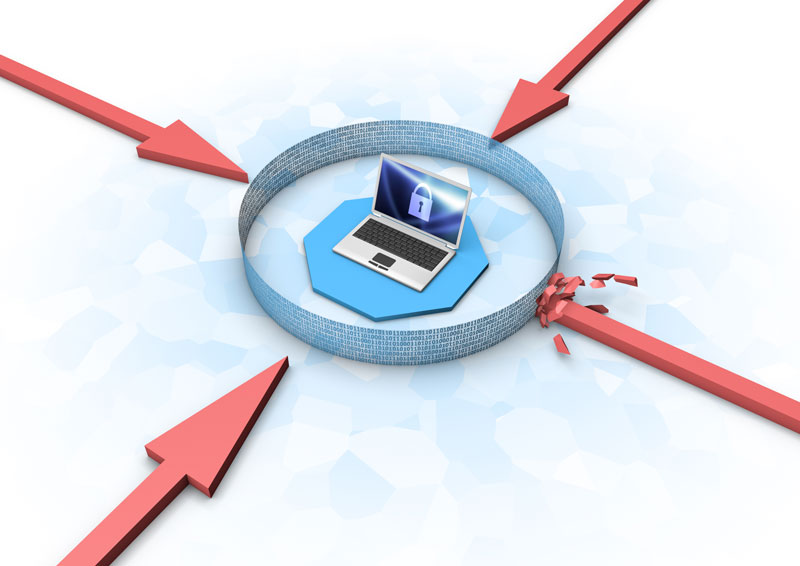
What Firewall Security Does Well
A properly configured firewall plays a critical role in protecting an organization’s network. It helps regulate incoming and outgoing traffic based on established security rules and can prevent many unauthorized connection attempts before they reach internal systems.
Firewalls also help organizations segment networks, restrict unnecessary services, and reduce exposure to external threats.
These capabilities make firewall security an essential part of any cybersecurity program.
Where Firewalls Have Limitations
Modern cybersecurity threats rarely rely on a single attack method. Phishing emails, compromised user credentials, vulnerable applications, and insider threats often bypass traditional network defenses altogether.
For example, if an employee unknowingly provides login credentials to an attacker, the firewall may never detect the unauthorized access because the connection appears legitimate.
Similarly, vulnerabilities within web applications or cloud platforms require additional security controls beyond firewall protection.
A Strong Cybersecurity Strategy Includes Multiple Layers
No single security control can protect an organization from every threat. Effective cybersecurity relies on multiple layers working together to reduce risk and improve visibility across your environment. Each layer addresses a different aspect of cybersecurity, creating a stronger overall defense.
Firewall Security
Firewalls remain an essential first line of defense by controlling network traffic and blocking unauthorized connections. They help protect your network perimeter, but they’re most effective when combined with additional security measures that address threats occurring inside the network or through legitimate user access.
Vulnerability Assessments
Regular vulnerability assessments identify outdated software, configuration issues, and other weaknesses before attackers have an opportunity to exploit them. These assessments provide organizations with a clear understanding of where improvements should be prioritized.
Network Security Testing
Network security testing evaluates how well your infrastructure is configured to protect critical systems and data. By reviewing network architecture, segmentation, and exposed services, organizations gain valuable insight into risks that may not be apparent during routine operations.
Employee Cybersecurity Awareness
Employees play a critical role in protecting organizational data. Ongoing cybersecurity awareness training helps users recognize phishing attempts, safeguard sensitive information, and respond appropriately to suspicious activity. Even the strongest technical controls can be undermined if users are not prepared to identify common attack methods.
Access Management
Strong authentication and access controls help ensure users have only the access they need to perform their responsibilities. Regularly reviewing user permissions reduces the risk of unauthorized access and limits the potential impact of compromised accounts.
Cybersecurity Risk Assessments
Cybersecurity risk assessments bring all of these elements together by evaluating the organization’s overall security posture. Rather than focusing on individual controls, they help leadership understand which risks pose the greatest threat and where investments will have the greatest impact.
Visibility Leads to Better Security Decisions
Organizations often assume their firewall is configured correctly simply because it’s been in place for years. Regular assessments help verify that firewall rules, network configurations, and related security controls continue to support the organization’s current environment.
Cybersecurity risk assessments and network testing also identify vulnerabilities that firewalls alone cannot detect, providing a more complete understanding of overall security.
This visibility helps organizations prioritize improvements based on actual risk rather than assumptions.
Look Beyond the Cybersecurity Perimeter
Firewalls remain an important part of modern cybersecurity, but they should never be viewed as the only line of defense. Organizations that combine firewall security with ongoing assessments, employee awareness, and layered security controls are better prepared to respond to evolving threats.
The CISA Group helps organizations evaluate their cybersecurity posture through practical network assessments and compliance-focused guidance. Our goal is to help clients build stronger security strategies that go well beyond the network perimeter. If your cybersecurity hasn’t been evaluated recently, contact The CISA Group through our form or call (763) 438-1744 to learn more.

